
Welcome to In the Weeds, a publication for the independent restaurant industry. Today, we're discussing a crashout song from the server’s point of view and the importance of the walk-in for more than just food storage.
Also in this edition: The Noma fallout illustrates how high-end restaurants need financial backing to thrive and the small battles that can take down a celebrated restaurant.
If this email was forwarded to you, you can subscribe here.

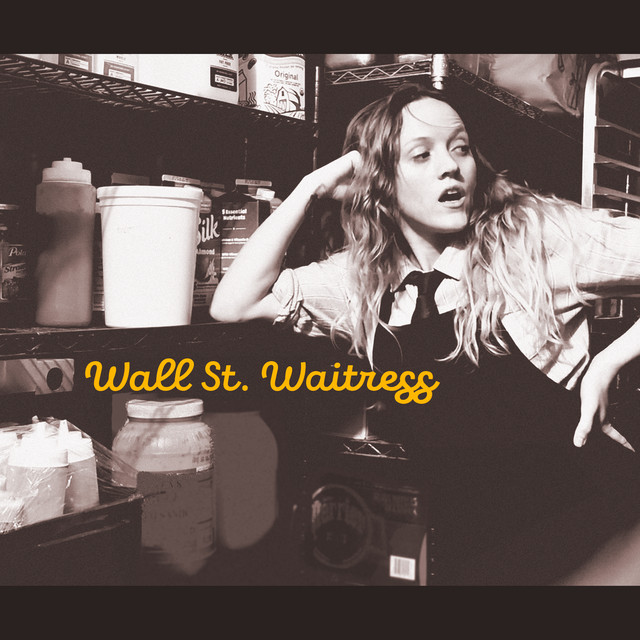
Catey Shaw in the walk-in
Catey Shaw’s new song “Wall St. Waitress” has an ’80s synth-pop vibe and a very catchy chorus. But because this is the age of social video, what first caught my attention when I spotted a video for the song on Instagram was where Catey was singing—a restaurant walk-in.
Like many folks in the industry, the walk-in had been a place for Catey to cry or pull herself together during a shift, she told me during a phone call earlier this month. But dancing in the walk-in, as she does in her videos promoting this single, really connected with people. So she leaned in and filmed dozens of videos in the walk-in at the restaurant where she works.
As for the lyrics of “Wall St. Waitress,” Catey puts listeners in the point of view of an artist and server. She describes the men who call her sweetheart and tell her to smile and the longing she feels as an artist. She’s working at Dorsia, the fictional restaurant in “American Psycho.” In the movie, the restaurant served as a parody of ultra-exclusive 1980s NYC spots, where securing a reservation was impossible. (In real life, Dorsia is the name of a members-only tech platform with access to in-demand restaurant reservations.)
@catey.shaw 💕~*feminine rage summer*~💕™️ #indiemusic #altpop #undergroundmusic #restaurant #serverlife
She describes the song as a “cathartic rage dancing thing that servers can connect to because there's so many of us,” but there are parallels to corporate world experiences, too.
For Catey, the service industry has always been something she comes back to. Her hospitality resume includes a Hooters outpost and one of Jimmy Buffett’s Cheeseburger in Paradise locations, as well as Live Bait, the late fishing-themed restaurant that was in Manhattan’s Chelsea neighborhood.
“Wall St. Waitress” was written during a rare break from the industry, although now she’s back to serving and taking full advantage of her job’s walk-in for music promotion. Catey’s current job is nothing like Dorisa, though, she says. She chose not to disclose the restaurant’s name but did say her boss recently caught her making a walk-in video and was chill about it.
Catey isn’t afraid of a little controversy, though. She gained some notoriety back in 2014 with her single “Brooklyn Girls,” which was widely panned. (She was called the Rebecca Black of Brooklyn, which at the time was quite the insult.)
The song “was taken as straight,” while Catey envisioned it as cheeky and fun, she recalled. “It was just this very strange misunderstanding that snowballed into something so crazy,” she said. “But if it happened again today, I feel so much more confident in who I am and where I’ve been and what I’m capable of, and I think that’s going to show, and I think that ‘Wall St. Waitress’ is just this moment for me that I’m really proud of.”
The through line Catey sees among “Wall St. Waitress,” “Brooklyn Girl,” and her other songs is that cheekiness and playfulness, she said. And with “Wall St. Waitress,” there’s also some exaggeration and hyperbole, as is warranted in a crashout song. But what she’s singing about has a serious side, too.
Whether working in the hospitality industry is a creative outlet or a way to finance creative pursuits, it’s become more difficult to get ahead. Wealth disparity between those who serve (or cook) and those who are being served has become more pronounced.
“Every once in a while, you get this realization, like, oh, I literally can’t afford what I’m serving you right now,” she said.
Sometimes you need a place to rage for a minute. And the walk-in is the only safe place to do so during a shift, she said.
“For a server in a stressful industry, it’s the only place where there’s usually not a camera, so your boss can’t see if you need to send a text or you need to cry, or you need to, you know, stomp your feet for a second,” she said. “Very literally and, like, metaphorically, it’s this kind of a sanctuary safe space.”
Thank you, Catey, for sharing your story.
Side Dishes:
Kristen Hawley’s restaurant technology newsletter, Expedite, broke the news that American Express and Resy were withdrawing their support for Noma LA. And in a follow-up story, she explains why the Noma fallout illustrates how “even world-famous, experiential, highly coveted restaurants need financial backing to thrive.” This begs the question: What happens to the smaller and lower-profile restaurants that won’t or can’t get that kind of backing?
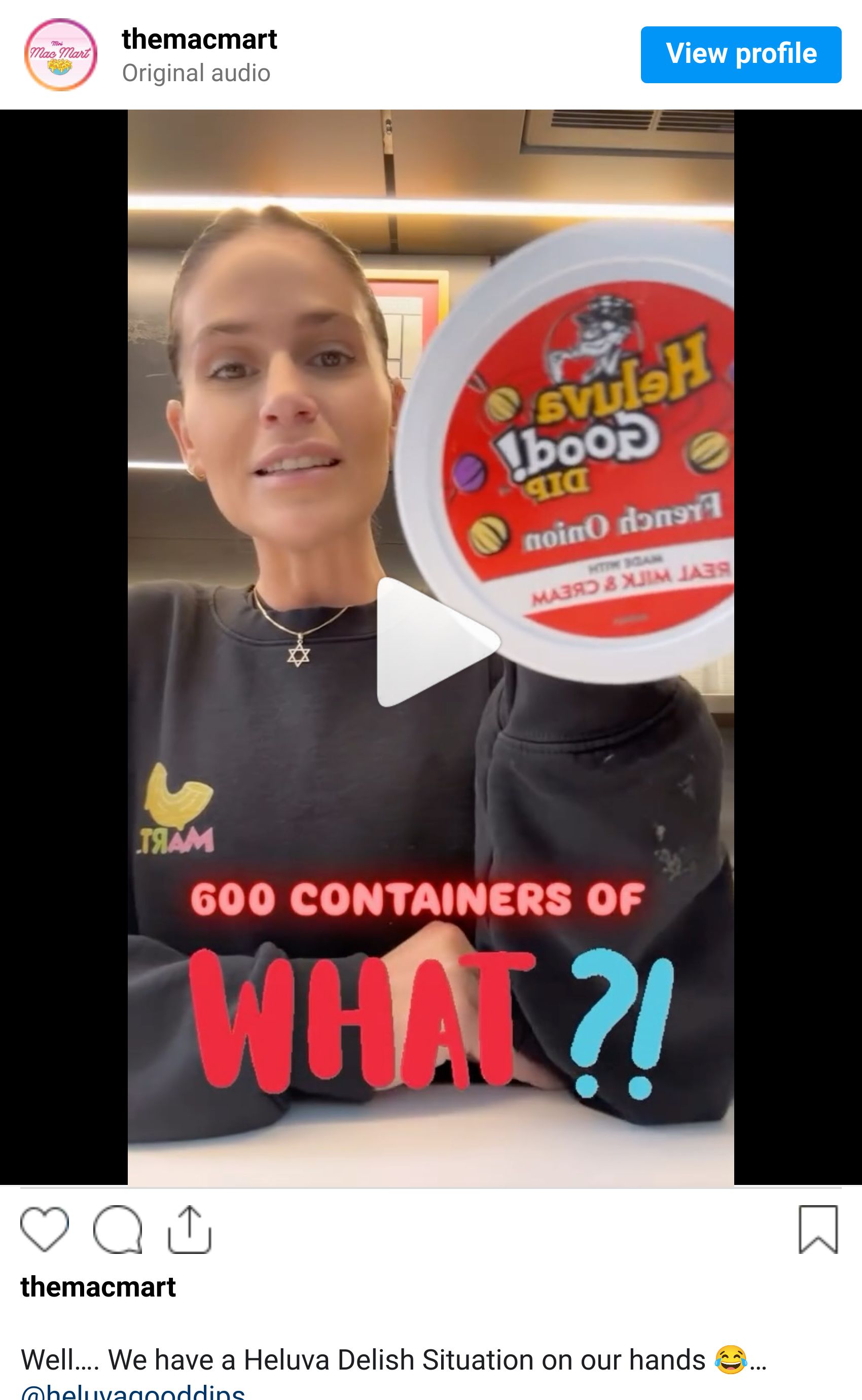
In what seems to be a third-party promotion gone wrong, restaurants in Philly received hundreds of tubs of French onion dip. Some restaurants, including Mac Mart, turned the unexpected delivery into a promotion. When life gives you French onion dip, right?
Restaurant owners in Washington, DC, received letters from Homeland Security Investigations earlier this year notifying them of employees who “appear unauthorized to work in the United States.” Immigration lawyers told the Washington Post that these audits are on the rise nationwide. “I think everybody’s going to get one eventually,” one lawyer said.
Late last year, Michelin recognized 26 Boston restaurants, including awarding a single one-star. Boston’s tourism board paid an estimated $1 million for the privilege. For Boston Magazine, Erika Adams (now the restaurant editor at Food & Wine) asks if it was worth it.
The story of Rye’s closure is all too familiar. The Michelin and James Beard-recognized small-plate restaurant and cocktail bar in Dallas had to fight for permits, manage rising food costs, and convince diners to accept their surcharges. For the Dallas Observer, Courtney E. Smith (who also has her own newsletter covering the Dallas food scene) details how all these small battles can take down a celebrated restaurant.
Front of House:
I spent the week in Portland, Oregon, experiencing their weird and wonderful culinary scene.

To me, Javelina’s perfectly combines Indigenous cuisine and the quirkiness of Portland. The best example on the menu may be the Powwow Burger served on their house-made fry bread.
Thank you so much for reading In the Weeds.
If you enjoyed this newsletter, please forward it on to a friend in the industry.
In the Weeds wants your feedback. I’d love to hear from you.
—gloria